a medieval tale of incest and redemption
by Hartmann von Aue (ca. 1200)
June 13 |Berkeley
In this astonishing tale, a young man, at first unaware of the curse of his incestuous origins, searches for his path in life, comes close to death, and finally finds redemption, reunited in spiritual harmony with the woman who is at once his mother, aunt, and wife.
This ancient story reaches far into the past, where we sense the tragic presence of Oedipus and even the unwavering, transformative spirit of Job in its most fateful moments. Hartmann von Aue (fl. 1170–1210) confronts us with one of the most difficult transgressions imaginable (two cases of incest), a basic human taboo made more deeply painful since it was unintentional and remained hidden. But he shows us that even such a dark sin can be forgiven, as long as the believer never yields to despair—it is despair alone which pushes all sinners outside the loving circle of divine forgiveness and grace. Hartmann teaches us, through his powerful story, about the need of the soul to heal itself, responding to the worst snares of the Devil with the transformative power of self-knowledge, perseverance, and love.
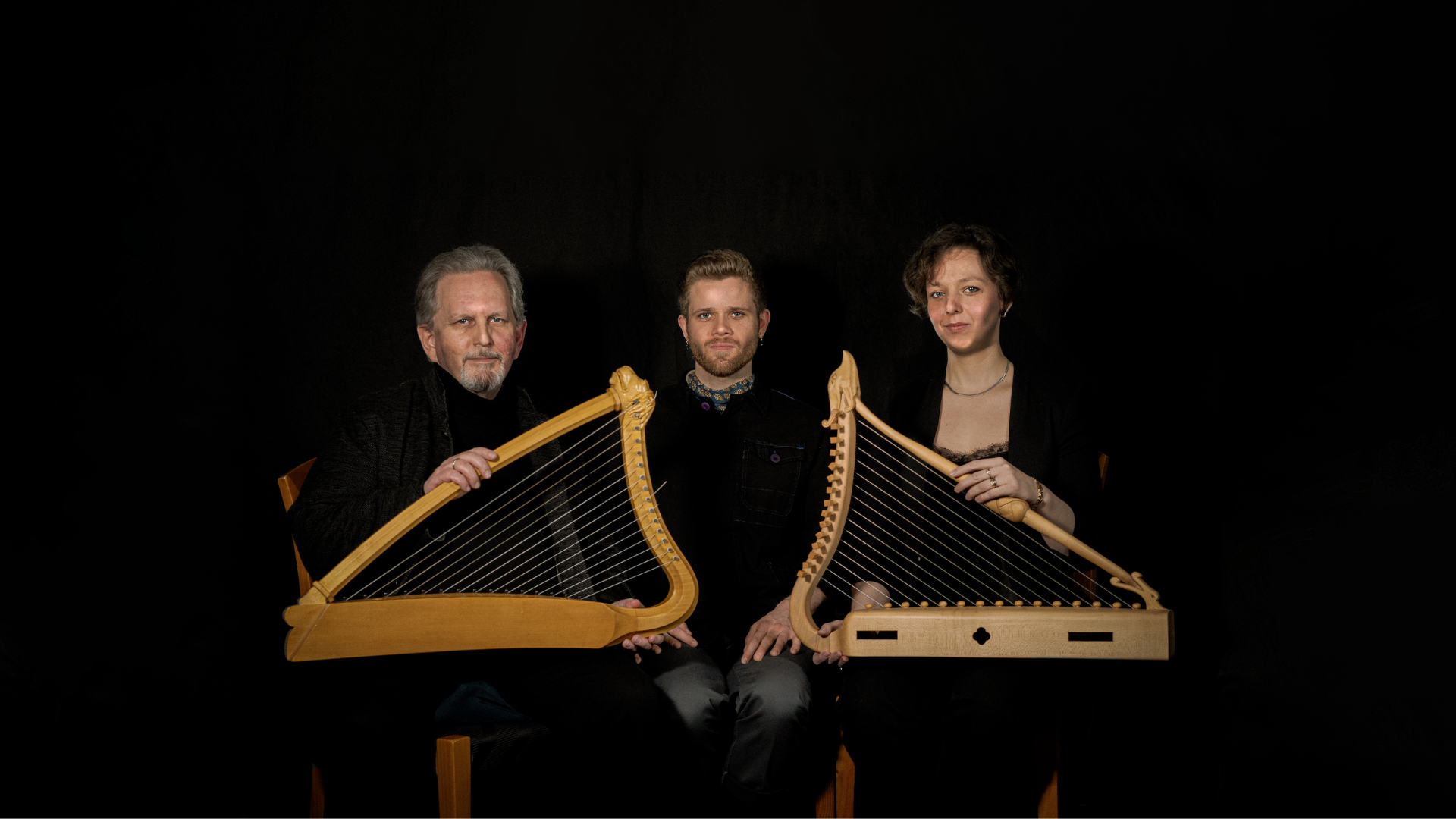
In the grand tradition of the minnesänger—the lyrics bards of medieval Germany—Sequentia has reconstructed this masterpiece with three singers (performing in the original Middle High German verse), two of whom also play Romanesque harps, to retell this story in the same style which captivated binge-listening courtly audiences in the years around 1200.
Benjamin Bagby, voice, harp; Jasmina Črnčič, voice, harp; leiken, voice
SATURDAY, JUNE 13, 4:00 PM
First Church Berkeley UCC
2345 Channing Way, Berkeley